February Newsletter͏‌ ͏‌ ͏‌ ͏‌ ͏‌ ͏‌ ͏‌ ͏‌ ͏‌ ͏‌ ͏‌ ͏‌ ͏‌ ͏‌ ͏‌ ͏‌ ͏‌ ͏‌ ͏‌ ͏‌ ͏‌ ͏‌ ͏‌ ͏‌ ͏‌ ͏‌ ͏‌ ͏‌ ͏‌ ͏‌ ͏‌ ͏‌ ͏‌ ͏‌ ͏‌ ͏‌ ͏‌ ͏‌ ͏‌ ͏‌ ͏‌ ͏‌ ͏‌ ͏‌ ͏‌ ͏‌ ͏‌ ͏‌ ͏‌ ͏‌ ͏‌ ͏‌ ͏‌ ͏‌ ͏‌ ͏‌ ͏‌ ͏‌ ͏‌ ͏‌ ͏‌ ͏‌ ͏‌ ͏‌ ͏‌ ͏‌ ͏‌ ͏‌ ͏‌ ͏‌ ͏‌ ͏‌ ͏‌ ͏‌ ͏‌ ͏‌ ͏‌ ͏‌ ͏‌ ͏‌ ͏‌ ͏‌ ͏‌ ͏‌ ͏‌ ͏‌ ͏‌ ͏‌ ͏‌ ͏‌ ͏‌ ͏‌ ͏‌ ͏‌ ͏‌ ͏‌ ͏‌ ͏‌ ͏‌ ͏‌ ͏‌ ͏‌ ͏‌ ͏‌ ͏‌ ͏‌ ͏‌ ͏‌ ͏‌ ͏‌ ͏‌ ͏‌ ͏‌ ͏‌ ͏‌ ͏‌ ͏‌ ͏‌ ͏‌ ͏‌ ͏‌ ͏‌ ͏‌ ͏‌ ͏‌ ͏‌ ͏‌ ͏‌ ͏‌ ͏‌ ͏‌ ͏‌ ͏‌ ͏‌ ͏‌ ͏‌ ͏‌ ͏‌ ͏‌ ͏‌ ͏‌ ͏‌ ͏‌ ͏‌ ͏‌ ͏‌ ͏‌ ͏‌ ͏‌ ͏‌ ͏‌ ͏‌ ͏‌ ͏‌ ͏‌ ͏‌ ͏‌ ͏‌ ͏‌ ͏‌ ͏‌ ͏‌ ͏‌ ͏‌ ͏‌ ͏‌ ͏‌ ͏‌ ͏‌ ͏‌ ͏‌ ͏‌ ͏‌ ͏‌ ͏‌ ͏‌ ͏‌ ͏‌ ͏‌ ͏‌ ͏‌ ͏‌ ͏‌ ͏‌ ͏‌ ͏‌ ͏‌ ͏‌ ͏‌ ͏‌ ͏‌ ͏‌ ͏‌ ͏‌ ͏‌ ͏‌ ͏‌ ͏‌ ͏‌ ͏‌ ͏‌ ͏‌ ͏‌ ͏‌ ͏‌ ͏‌ ͏‌ ͏‌ ͏‌ ͏‌ ͏‌ ͏‌ ͏‌ ͏‌ ͏‌ ͏‌ ͏‌ ͏‌ ͏‌ ͏‌ ͏‌ ͏‌ ͏‌ ͏‌ ͏‌ ͏‌ ͏‌ ͏‌ ͏‌ ͏‌ ͏‌ ͏‌ ͏‌ ͏‌ ͏‌ ͏‌ ͏‌ ͏‌ ͏‌ ͏‌ ͏‌ ͏‌ ͏‌ ͏‌ ͏‌ ͏‌ ͏‌ ͏‌ ͏‌ ͏‌ ͏‌ ͏‌ ͏‌ ͏‌ ͏‌ 
ShoeboxTasks

February Newsletter

Dear Friends,

Are you working with a student or parenting a child who has behavioral challenges? This month’s newsletter centres on how to evaluate this behavior and then implement strategies to help support your student/child.

If you are interested in a consultation with me on how to support your student’s/child’s behavioral challenges, please contact me at ron@shoeboxtasks.com or call (828) 252-5111.

Thank you, Ron Larsen, Centering on Children


Managing Challenging Behaviors

Whether you are working with a student on the autism spectrum in a classroom or parenting your child at home, there are bound to be behaviors that challenge your ability to respond in creative and constructive ways. Searching for the reasons why such behaviors occur is an important first step. For example, one day you take a different route when going to the store with your child. They always come with you, and you have always taken the same route. With this unexpected situation, they have a complete meltdown. At first, there might be a big question mark as to why the child has become distressed. But upon further reflection, you realize they have a great need for routine, and you have just broken the routine way of going to the store. Understanding the “why” for the upset opens the door in helping to overcome it.

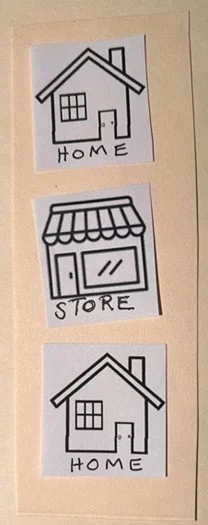
And this is where one’s creativity comes into play. It may be that by preparing the child ahead of time for the change that’s about to happen would yield a better result. One possibility is to convey this information in a visual way that is meaningful to the child. Use words, photos, drawings and/or objects that stand for home and store. Arrange the visuals as a schedule in the sequence in which they will occur:  Let the child hold the visual schedule: home, store, home, giving them a sense of control over the situation as it unfolds. Reinforce where you are going by referring to the schedule during the trip. Let the visuals on the schedule have the power, not you. Over time, try different routes to the store. Observe and evaluate the results. Be prepared to modify or make changes according to the child’s response.

The process for handling challenging behavior involves:

- Tune into the challenging behavior. The child is telling us something in the only way they know how.

- Evaluate what preceded the behavior (context, patterns, sensory phenomena, etc.)

- Apply what you know about your child’s overall challenges to the situation (i.e. sensory issues, communication/social challenges, need for sameness and routine).

- Alter whatever you might suspect has caused the distress.

- Observe and evaluate how the child responds the next time that situation arises implementing the new strategies. If successful, great! If not, start the process over with what you now have learned.

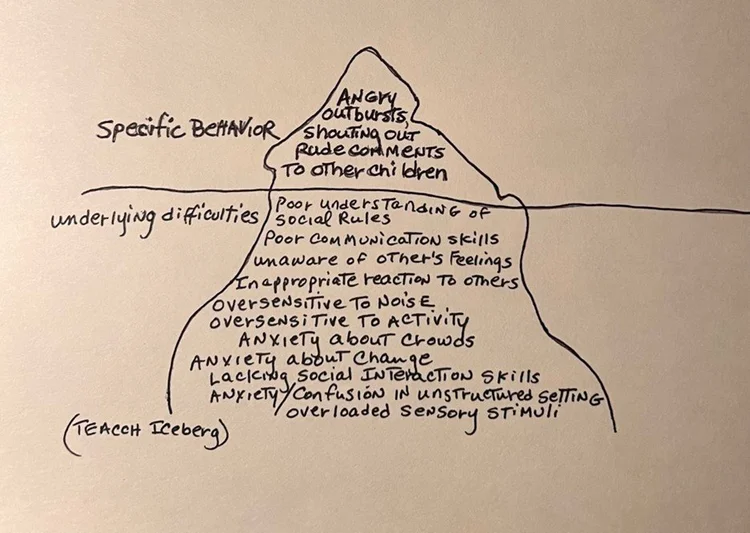
It is not always obvious or apparent what might be the reason for the distressing behavior. During my time with the TEACCH program, I was introduced to Icebergs, as they relate to behaviors. When the captain of a ship sees an iceberg, he realizes that it is only the tip that is visible and that the greatest part of it lies invisible, beneath the surface of the water. If the iceberg’s tip represents specific behaviors that we can observe, then what is beneath the surface are the underlying deficits which are potentially the cause for the child’s behavior. I apologize for not knowing who originally created this analogy within TEACCH, but my appreciation goes out to whomever it was. The underlying causes may not include all possibilities, but they do broaden what to consider. I have one example included below and others to share upon request.

Stay positive! There is no magic formula for managing challenging behaviors. Attaining desired behaviors—ones that benefit both the child and those around them—can be a slow process that requires great attention and sensitivity on the part of caregivers. Understanding what the underlying cause may be, often not obvious, can go a long way in overcoming discordant and worrisome behaviors.

Please feel free to contact me if you have questions. Thanks, Ron.


New ShoeboxTasks® videos on YouTube

We are excited to announce the addition of five new videos to our YouTube channel! Huge thanks to Documentary Filmmaker & Video Projection Designer, Adam Larsen, who directed and filmed all of the ShoeboxTasks® videos for us. Click the image or links below to take a look!

ShoeboxTasks® 1: Characteristics of Autism

ShoeboxTasks® 2: Our Model Workshop

ShoeboxTasks® 3: Organization of Work Tasks

ShoeboxTasks® 4: Organization, Visual Clarity and Concise Communication

ShoeboxTasks® 5: Jigs and Visual Instructions


ShoeboxTasks® website updates coming soon!

Over the next few months the ShoeboxTasks® website will be undergoing an update. Some of our Tasks have been redesigned and many of them have been modified over time. All in the name of progress. Please call us if there is confusion about a particular product and we will gladly address the issue. Thanks!


Article of the Month

Click the title below to read our article of the month…

The 20 Best Autistic Characters in Movies and TV Shows


Customer Testimonials - we love to hear from you!

"ShoeboxTasks® provide activity kits to assist people on the Autism spectrum, helping them gain independence while learning new skills. What a wonderful source their product are for students as well as teachers!"  

~ Lisa Colby

Have you achieved success or overcome challenges with the help of ShoeboxTasks®? If so, we would love to hear from you!

Please share your discoveries and experiences with us at information@shoeboxtasks.com and we will send you any Task of your choice, for FREE! (Limited to the first 10 customer testimonials received).

Thank you so much, we look forward to hearing from you!


Educational activities designed for children with autism

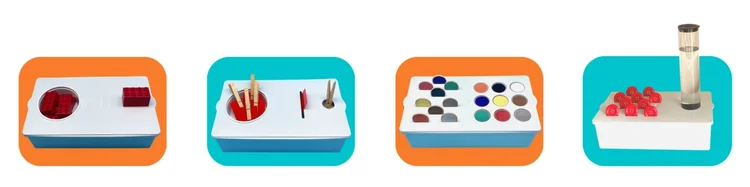
There are 37 different ShoeboxTasks® - visit our website to find out more!

 SHOP NOW 
 
facebook youtube pinterest

ShoeboxTasks, 2004 Riverside Drive, Loft 2, Suite S, Asheville, NC 28804, United States

ShoeboxTasks

Unsubscribe